The History of Jawai Dam: From Royal Vision to Wildlife Lifeline
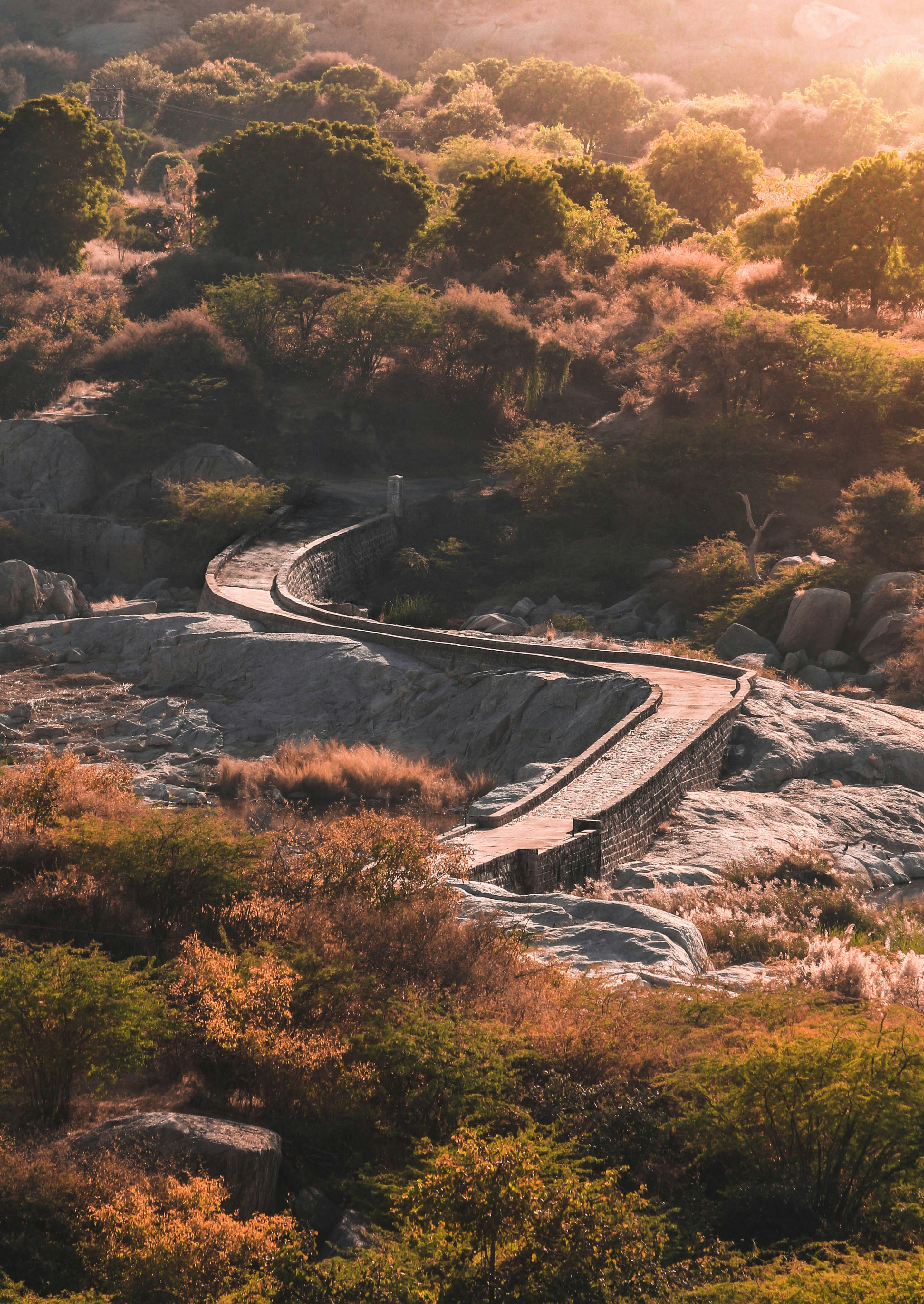
A Dam That Changed Everything
Stand on the banks of Jawai Bandh on a winter morning and watch thousands of flamingos lift from the water in a single pink cloud while a leopard watches from the granite hillocks above — and it is almost impossible to imagine that this extraordinary scene was created by a deliberate act of human engineering less than seventy years ago. Before Jawai Dam was built this entire landscape was a very different place — drier, harder, and far less capable of supporting the remarkable concentration of wildlife that makes Jawai one of India's greatest natural destinations today.
The story of Jawai Dam is the story of royal ambition, engineering determination, agricultural transformation, and one of the most remarkable unintended conservation consequences in Indian history — a structure built entirely to serve human agricultural needs that ended up creating a wildlife paradise that attracts visitors from across the world.
The Royal Vision — Maharaja Umaid Singh of Jodhpur
The story of Jawai Dam begins with one of Rajasthan's most consequential rulers — Maharaja Umaid Singh of Jodhpur, who ruled the Jodhpur princely state from 1918 to 1947. Umaid Singh was a ruler of extraordinary vision and practical ambition — the same monarch who commissioned the magnificent Umaid Bhawan Palace in Jodhpur, today one of the world's finest heritage hotels, as a famine relief employment project during the devastating drought of the 1920s.
The Pali district — the region surrounding what would become Jawai Dam — was historically one of the most water-stressed areas in the Jodhpur state. The Jawai river, a seasonal tributary of the Luni river system, flowed with good volume during monsoon months but dried completely during the long Rajasthan summer — leaving farms parched, cattle thirsty, and communities vulnerable to the catastrophic droughts that periodically devastated rural Rajasthan throughout the nineteenth and early twentieth centuries.
Maharaja Umaid Singh conceived of a large dam on the Jawai river that would capture monsoon floodwaters and store them through the dry season — transforming water-insecure agricultural land into reliably irrigated farmland and providing drinking water security to communities across the Pali district. It was an ambitious vision for its time — and one that would take decades and the transition through Independence to finally reach completion.
Construction — Engineering Across Two Eras
Planning for Jawai Dam began under the royal administration of Jodhpur state in the 1940s but the project straddled one of the most significant political transitions in Indian history — Independence in 1947 and the integration of princely states into the Indian Union.
Construction commenced formally and continued under the newly formed Rajasthan state government which recognised the dam's critical importance for agricultural development in one of India's most water-scarce regions. The project required enormous engineering effort — constructing a masonry dam across the Jawai river gorge in terrain that was remote, rocky, and logistically challenging by the standards of 1950s Indian infrastructure.
Jawai Dam was completed and inaugurated in 1957 — making it one of the earliest major water infrastructure projects completed in independent Rajasthan. The dam created a reservoir with a capacity of approximately 99.50 million cubic metres of water — a substantial storage volume that immediately transformed water availability across the Pali district and surrounding areas.
The Dam's Original Purpose — Agricultural Transformation
In its original design and intent Jawai Dam was purely an agricultural and drinking water infrastructure project. Its primary purposes were:
- Irrigation supply — providing reliable year-round water for agricultural land across Pali district that had previously depended entirely on unpredictable monsoon rainfall
- Drinking water supply — Jawai Dam water is piped to Jodhpur city approximately 160 km away and serves as one of the primary drinking water sources for the city's large population — a function it continues to perform to this day
- Drought mitigation — storing surplus monsoon water against the inevitable dry years that periodically devastated agricultural communities across semi-arid Rajasthan
- Employment and economic development — reliable irrigation water enabled crop diversification and agricultural intensification across thousands of hectares of previously marginal farmland
By these measures Jawai Dam was an immediate and significant success. The agricultural transformation of Pali district following the dam's completion was substantial — communities that had struggled through cycles of drought and water insecurity gained a degree of agricultural stability that changed the economic character of the region.
The Unintended Miracle — How a Dam Created a Wildlife Paradise
No engineer, no royal planner, and no government official involved in the design or construction of Jawai Dam imagined that their agricultural infrastructure project would one day be celebrated worldwide as one of India's finest wildlife destinations. Yet that is precisely what happened — and the story of how is one of the most fascinating chapters in Indian conservation history.
Water Attracts Wildlife
In semi-arid Rajasthan permanent water is the single most important factor determining wildlife distribution. Before Jawai Dam the Jawai river valley dried completely for 6 to 8 months of every year — limiting the wildlife populations the landscape could support through the long dry season. The creation of a permanent large reservoir changed this equation completely.
Year-round water availability at Jawai Bandh gradually increased the carrying capacity of the entire surrounding landscape — supporting larger prey populations of nilgai, wild boar, and smaller animals that in turn supported larger predator populations. The mugger crocodile population that today makes Jawai Bandh one of Rajasthan's finest reptile watching locations established itself directly as a consequence of the permanent water body created by the dam.
Migratory Birds Discover a New Wetland
Within years of its completion Jawai Bandh began attracting migratory waterbirds on the Central Asian Flyway — one of the world's great bird migration routes connecting breeding grounds in Central Asia and Siberia with wintering areas across the Indian subcontinent. Flamingos, demoiselle cranes, painted storks, and dozens of duck and wading bird species began using the reservoir as a critical stopover and wintering site.
Today Jawai Bandh supports over 200 recorded bird species and the winter flamingo congregation — sometimes numbering in the thousands — is considered one of Rajasthan's great wildlife spectacles. None of this existed before 1957.
The Leopard Connection
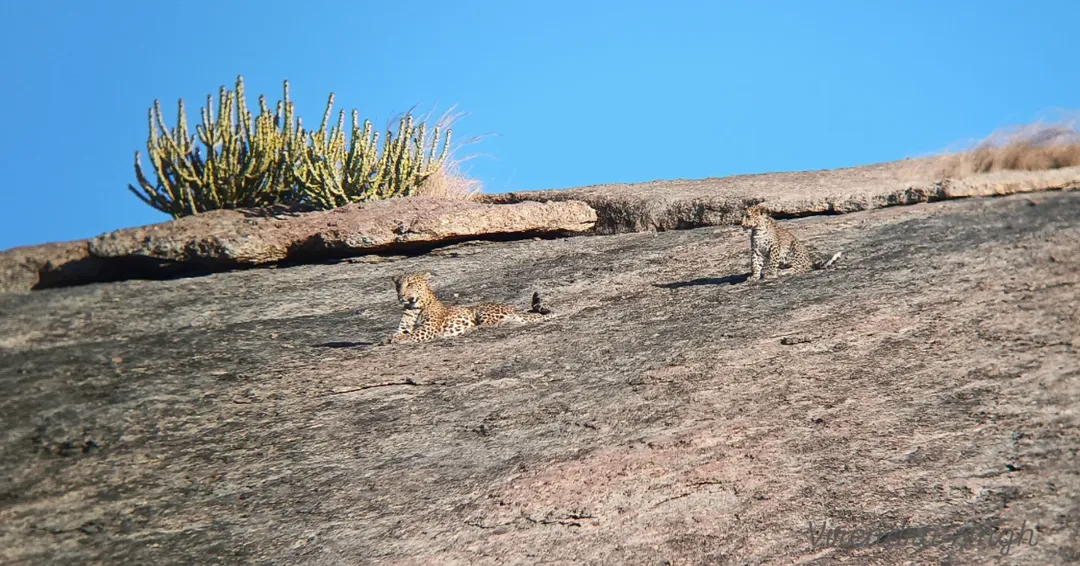
The relationship between Jawai Dam and the famous leopard population is perhaps the most consequential wildlife connection of all. The Aravalli granite hillocks that leopards inhabit around Jawai existed long before the dam — but the year-round prey availability created by the improved landscape carrying capacity allowed the leopard population to grow to its current extraordinary density of an estimated 50 to 60 individuals in a relatively small area.
A leopard population of this density requires exceptional prey availability year-round — and that prey availability traces directly back to the water security created by Jawai Dam in 1957. Without the dam there would almost certainly still be leopards at Jawai — but almost certainly not enough to create the extraordinary wildlife phenomenon that the world now comes to witness.
Jawai Dam Today — Facts and Figures
Nearly seven decades after its completion Jawai Dam remains one of the most important water infrastructure installations in Rajasthan:
- River: Jawai river, tributary of the Luni river system
- Location: Pali district, Rajasthan — near Sumerpur town
- Completed: 1957
- Type: Masonry gravity dam
- Storage capacity: Approximately 99.50 million cubic metres
- Primary uses: Irrigation, drinking water supply to Jodhpur city, wildlife habitat
- Catchment area: Approximately 2,190 square kilometres
- Drinking water supply: Jodhpur city and surrounding Pali district towns
The Dam and the Drought Challenge
Like all Rajasthan water infrastructure Jawai Dam faces the ongoing challenge of variable monsoon rainfall in a changing climate. Years of below-average rainfall cause reservoir levels to drop significantly — and in severe drought years water availability for both human use and wildlife can come under pressure simultaneously.
The relationship between dam water levels and wildlife behaviour is something Jawai's experienced guides monitor closely. In low-water years wildlife concentrates more heavily near the shrinking reservoir margins — sometimes producing exceptional wildlife viewing opportunities as animals are drawn together by limited water availability. In high-water years the full reservoir at capacity creates the vast wetland habitat that supports maximum bird populations.
The annual monsoon and Jawai Dam's water level is something every regular Jawai visitor learns to watch with genuine interest — it shapes the entire wildlife experience of the season that follows.
The Dam as Community Lifeline
Beyond wildlife the human story of Jawai Dam remains equally significant nearly seven decades after its completion. The Rabari communities of Bera and Sena villages — the same communities whose sacred relationship with leopards makes Jawai internationally famous — depend on Jawai Dam water for their cattle, their crops, and their daily lives just as they have since 1957.
The dam created a complex interdependence between water, agriculture, wildlife, and community that has shaped every aspect of life in the Jawai landscape for two generations. The Rabari do not separate their relationship with leopards from their relationship with the land and water that sustains both human and animal life here. Jawai Dam is as much a part of their landscape and identity as the granite hills themselves.
Visiting Jawai Dam — What to Expect
Jawai Bandh reservoir is a beautiful and rewarding destination in its own right — not simply a backdrop to the leopard safari experience. Here is what visitors should know:
- Best viewing point: The dam wall itself offers panoramic views across the reservoir — particularly beautiful at sunrise and sunset when the water surface turns gold and pink
- Bird watching: The reservoir margins are best explored by asking your guide for a dedicated reservoir circuit separate from the main leopard safari route
- Crocodile watching: Morning is the best time to spot mugger crocodiles basking on rocky reservoir banks
- Photography: Wide angle shots from elevated dam wall positions capture the full scale of the reservoir with Aravalli hills behind — one of the classic Jawai landscape compositions
- Water level timing: Visit between October and January for maximum water levels following the monsoon season
Final Thoughts — The Dam That Made Jawai
The Maharaja of Jodhpur who dreamed of Jawai Dam in the 1940s wanted to bring water security to a drought-prone agricultural landscape. He could not have imagined that his vision would also create one of India's greatest wildlife destinations — a place where leopards gather in extraordinary numbers, where thousands of flamingos paint a reservoir pink every winter, and where visitors travel from across the world to witness a human-wildlife relationship unlike anything else on earth.
Jawai Dam did not just store water. It stored the future — for the land, for the communities, and for the leopards that have made this corner of Rajasthan truly unforgettable.
Book Your Official Jawai Safari & Stay Package
Don't miss out on peak sighting hours! Reserve your authorized 4x4 gypsy safari and hotel stay with us today.
You Might Also Like